


Wisdom teeth removal is one of the most common oral surgeries performed around the world, and almost everyone who goes through it has the same burning question the moment the anesthesia wears off: when can I eat solid food after wisdom teeth removal? It’s a fair question, because food is not just about nutrition — it’s about comfort, routine, and getting back to normal life. Yet the answer isn’t as simple as a single number of days. It depends on how your extraction went, how your body heals, and how carefully you follow post-operative instructions. This guide walks you through everything you need to know, from the first hour after surgery to the day you finally bite into a sandwich without worry.
Understanding Why the Question Matters So Much
The question of when can I eat solid food after wisdom teeth removal isn’t just about curiosity or impatience — it’s directly tied to how well your mouth heals. Wisdom teeth, or third molars, sit at the very back of the jaw, and removing them creates an open wound in the gum and sometimes in the bone itself. Rushing back to solid food too early can dislodge the blood clot that forms in the socket, leading to a painful condition called dry socket. On the other hand, staying on liquids and purees for far longer than necessary can leave you nutritionally depleted, fatigued, and mentally frustrated. Striking the right balance is the real goal, and that’s exactly what this article aims to help you understand.
Every patient’s timeline is slightly different, but there are well-established medical guidelines, dentist recommendations, and oral surgeon protocols that most people can follow safely. Understanding these stages in detail — rather than relying on guesswork — is the smartest way to protect your healing gums while still nourishing your body properly.
A Brief History of Wisdom Teeth Extraction and Dietary Guidance
Wisdom teeth removal has been practiced for centuries, though the techniques have evolved dramatically. Ancient dental records show that impacted molars were often left untreated or crudely pulled without anesthesia, frequently resulting in severe infection. It wasn’t until the twentieth century, with the rise of modern dentistry, X-ray imaging, and safer anesthesia, that wisdom tooth extraction became a routine, low-risk outpatient procedure.
Dietary guidance around extractions has similarly evolved. In earlier decades, patients were often told to simply “eat soft food for a week” without much nuance. Today, oral surgeons follow structured, evidence-based recovery timelines that break healing into distinct phases — each with its own recommended food textures. This shift toward precision reflects a broader movement in dentistry toward personalized aftercare, where recovery advice is tailored to the complexity of the extraction, whether it was a simple removal or a surgical extraction involving impacted teeth, bone removal, or stitches.
This historical evolution matters because it explains why you’ll find such a wide range of advice online. Older articles or outdated pamphlets may suggest waiting far longer than modern research supports, while newer, evidence-based guidance gives a more balanced and realistic picture of when can I eat solid food after wisdom teeth removal.
The Core Objective: Balancing Nutrition and Healing
The central objective of any post-extraction diet plan is simple: protect the surgical site while ensuring the body has enough fuel to heal efficiently. Healing tissue needs protein, vitamins, and minerals just as much as an athlete recovering from an injury does. Starving yourself of proper nutrition in the name of caution can actually slow down recovery, weaken your immune response, and leave you feeling dizzy or fatigued.
At the same time, chewing motion, hard textures, and small food particles pose real risks to a freshly extracted socket. Rice grains, seeds, and nut fragments can lodge themselves into the wound, sharp edges of crunchy foods can scrape against stitches, and vigorous chewing can put pressure on the jaw exactly where it needs to rest. The objective, therefore, isn’t to avoid food altogether but to choose the right textures, temperatures, and timing so that eating supports rather than sabotages your recovery.
The Day of Surgery: Liquids Only
On the day of your extraction, your mouth will likely still be numb from local anesthesia, and if you had sedation or general anesthesia, you may feel groggy for several hours. During this first day, stick strictly to cool or lukewarm liquids and very soft, cold foods. Think smoothies without seeds, yogurt, ice cream without chunks, lukewarm broth, and plenty of water. Avoid using a straw entirely during this period, because the suction created can dislodge the crucial blood clot forming in your socket and trigger dry socket, one of the most painful post-extraction complications.
Many patients ask when can I eat solid food after wisdom teeth removal within the first few hours, and the honest answer is: not yet, and it’s not worth rushing. Your gums are still numb, which means you could accidentally bite your cheek, tongue, or the surgical site without even feeling it. Waiting until sensation fully returns before introducing any texture beyond liquids is a simple but important safety measure.
Days One to Three: The Soft Food Phase
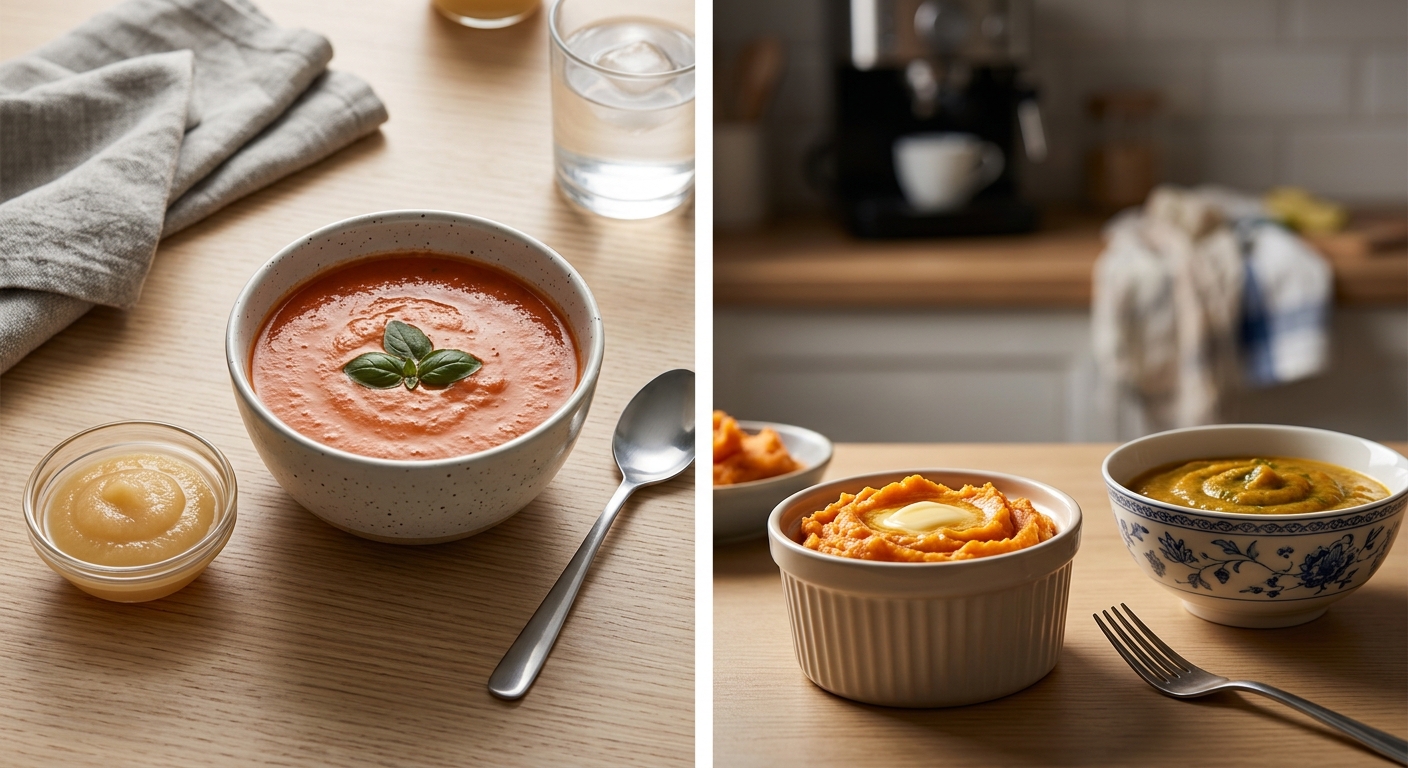
Once the first twenty-four hours have passed, most people move into what’s often called the soft food phase. This stage typically lasts from day one through day three, though it can extend longer depending on how your extraction site feels. Appropriate foods during this window include mashed potatoes, scrambled eggs, oatmeal, blended soups, mashed bananas, applesauce, cottage cheese, and well-cooked, mashed vegetables.
This is also the period when swelling tends to peak, usually around the second day, so comfort eating — foods that require virtually no chewing — remains the priority. Many people still wonder when can I eat solid food after wisdom teeth removal at this stage, especially if they’re feeling less pain than expected. However, reduced pain doesn’t necessarily mean the internal healing process is complete. The socket is still forming new tissue beneath the surface, and introducing firm or crunchy textures too early can undo several days of progress in a matter of seconds.
It helps to think of this phase as a gradual reintroduction rather than a strict deadline. If a food can be mashed with a fork and swallowed without needing molar-based chewing, it’s generally appropriate. If it requires biting down firmly or grinding with your back teeth, it’s still too early.
Days Four to Seven: Transitioning Toward Semi-Solid Foods
By the fourth day, many patients notice a significant reduction in swelling and discomfort. This is typically when the diet can shift toward semi-solid foods — items that require a little more chewing but are still gentle on the extraction site. Soft pasta, well-cooked rice (in small, non-grainy portions), tender fish, soft-cooked chicken shredded finely, ripe avocado, and steamed vegetables cut into small pieces often become tolerable during this window.
This is usually the phase where people start asking, in a more hopeful tone, when can I eat solid food after wisdom teeth removal, because life starts feeling more normal again. The swelling has gone down, sleep has improved, and the constant awareness of the surgical site starts to fade. Even so, oral surgeons generally advise caution with anything crunchy, chewy, sticky, or spicy during this period. Chips, nuts, popcorn, crusty bread, and hard candies remain off-limits, as do very hot foods and beverages that could increase blood flow to the area and trigger bleeding.
It’s worth noting that healing isn’t always linear. Some people feel great by day five, while others still experience tenderness well into the second week, particularly if their extraction involved impacted teeth or bone removal. Listening to your body’s signals — rather than comparing your timeline to someone else’s — remains the safest approach.
One to Two Weeks: Approaching Normal Solid Food
For most patients with straightforward extractions, the one to two week mark is when a return to fully normal, solid food becomes realistic. By this stage, the gum tissue over the extraction site has typically closed significantly, swelling has resolved, and any residual soreness is mild rather than sharp. This is the point where the answer to when can I eat solid food after wisdom teeth removal becomes much clearer and more encouraging for most people.
That said, “normal” doesn’t mean throwing caution to the wind immediately. It’s wise to reintroduce harder textures gradually rather than jumping straight into steak or crusty pizza crust on day fourteen. A good approach is to start with foods that require moderate chewing, such as soft sandwiches, well-cooked meats, and tender vegetables, before working back up to crunchier items like raw vegetables, tougher meats, or crusty breads over the following days.
Patients who had more complex surgical extractions — particularly those involving impacted wisdom teeth, bone removal, or multiple stitches — may need to extend this timeline by several more days or even a couple of weeks. Your oral surgeon’s specific guidance, based on your individual case, should always take priority over general timelines found online.
Factors That Influence Your Personal Timeline
While the phases above offer a helpful general framework, several personal factors influence exactly when can I eat solid food after wisdom teeth removal in your specific case. The complexity of the extraction matters enormously — a simple extraction of an already-erupted tooth heals faster than a surgical removal of an impacted tooth buried in bone. The number of teeth removed also plays a role; having all four wisdom teeth extracted at once typically requires a longer recovery than removing just one.
Age is another significant factor. Younger patients, particularly teenagers and those in their early twenties, tend to heal faster because bone density and tissue regeneration are generally more efficient at younger ages. Overall health also matters — conditions like diabetes, smoking habits, or a compromised immune system can slow healing considerably and may require a more cautious, extended approach to reintroducing solid food.
Finally, how well you follow aftercare instructions has a direct impact on your timeline. Rinsing gently with warm salt water after the first twenty-four hours, avoiding smoking and alcohol, keeping the surgical site clean, and attending follow-up appointments all contribute to faster, smoother healing — which in turn allows for an earlier, safer return to solid food.
Warning Signs That You’re Progressing Too Fast
It’s important to recognize the signals your body sends if you’ve moved to solid food before you were truly ready. Sharp, throbbing pain that intensifies rather than fades, especially pain that radiates toward the ear, can indicate dry socket. Persistent bleeding that doesn’t stop with gentle pressure, visible food particles trapped in the socket that won’t dislodge with a gentle rinse, or swelling that suddenly increases days after surgery are all signs that you may need to step back to softer foods and consult your dentist or oral surgeon.
If you experience a foul taste or odor from the extraction site, this can also indicate infection or trapped debris, both of which are more likely if solid, crumbly, or seed-containing foods were introduced too early. Taking these warning signs seriously and adjusting your diet accordingly — rather than pushing through discomfort — is far wiser than following a fixed calendar date regardless of how your mouth actually feels.
Foods to Avoid Even After You Resume Solid Eating
Even once you’ve returned to a mostly normal diet, certain foods deserve continued caution for a little while longer. Popcorn and foods with small seeds, such as strawberries or sesame-topped bread, are notorious for lodging in extraction sites and causing irritation or infection weeks after surgery. Extremely spicy foods can irritate healing gum tissue, while very hot beverages can increase blood flow to the area unnecessarily. Sticky candies, chewing gum, and tough, fibrous meats also remain worth avoiding until you’re fully confident the site has healed, generally around three to four weeks for more complex extractions.
Alcohol and carbonated beverages are also best limited during the first week or two, as they can interfere with healing, interact with pain medication, and in the case of carbonation, potentially disturb the healing clot. Being mindful of these foods, even after the official “solid food” milestone has technically been reached, helps prevent unnecessary setbacks.
Comparing Recovery Diets: Simple Versus Surgical Extractions
Not all wisdom tooth removals are the same, and comparing recovery diets between simple and surgical extractions helps illustrate why timelines vary so much. A simple extraction, where the tooth has fully erupted and comes out in one piece with minimal manipulation, generally allows for a faster progression through the food phases described earlier — often reaching near-normal eating by the end of the first week.
A surgical extraction, by contrast, often involves cutting through gum tissue, removing bone, or sectioning the tooth into pieces to remove it safely — particularly common with impacted wisdom teeth that are angled sideways or buried beneath the gumline. Recovery from surgical extractions typically requires a longer soft-food period, more careful monitoring for complications, and a more gradual reintroduction of solid textures, sometimes extending to two or three weeks before truly normal eating resumes without any lingering caution.
Understanding which category your extraction falls into — a conversation worth having directly with your oral surgeon — gives you a much more realistic personal answer to when can I eat solid food after wisdom teeth removal than any generic online timeline could provide.
Success Stories: Real Recovery Patterns
Recovery experiences vary widely, and hearing how different patients have navigated this journey can be reassuring. Many patients who underwent straightforward, single-tooth extractions report being able to eat soft sandwiches and pasta comfortably by day five or six, with a near-complete return to normal eating by the ten-day mark. These patients often credit strict adherence to aftercare instructions — particularly avoiding straws, not smoking, and maintaining gentle oral hygiene — for their smooth recovery.
On the other end of the spectrum, patients who had all four wisdom teeth surgically removed simultaneously, especially when some were impacted, commonly describe a more gradual journey. Many report relying on soups, smoothies, and mashed foods for the better part of a week, slowly progressing to semi-solid foods by day seven or eight, and reaching full solid food comfort closer to the two-week mark. What stands out across most positive recovery stories is patience paired with attentiveness — patients who paid close attention to how their mouth felt, rather than rigidly counting days, tended to report the smoothest transitions back to solid food.
Common Challenges During the Recovery Period
Despite careful planning, several challenges commonly arise during wisdom teeth recovery. Jaw stiffness, medically known as trismus, can make chewing uncomfortable even after the extraction site itself has healed reasonably well, sometimes requiring gentle jaw stretching exercises recommended by a dentist. Nutritional monotony is another underrated challenge — eating soups, smoothies, and mashed foods for a week or more can become mentally tiring, leading some patients to rush back to solid food purely out of boredom rather than genuine readiness.
Managing pain medication alongside meals presents another practical challenge, since many prescribed painkillers are meant to be taken with food to avoid stomach upset, yet chewing may still be limited. Planning nutrient-dense, easy-to-eat meals in advance — before the surgery even happens — can meaningfully ease this challenge. Batch-preparing soups, purchasing protein shakes, and stocking up on soft, nutrient-rich foods ahead of time removes a significant amount of stress during the actual recovery window.
Practical Tips for a Smoother Transition to Solid Food
Reintroducing solid food doesn’t need to feel like guesswork if you approach it methodically. Start by testing new textures on the opposite side of your mouth from the extraction site whenever possible, which reduces direct pressure on the healing area. Cut solid foods into smaller-than-usual pieces during the transition period, since smaller bites require less forceful chewing and reduce the risk of accidentally biting down hard on the surgical site.
Chewing slowly and mindfully, rather than out of habit or distraction, allows you to notice discomfort immediately and stop before causing harm. Keeping meals lukewarm rather than piping hot during the first couple of weeks also reduces irritation. Finally, maintaining consistent oral hygiene — gentle brushing away from the extraction site and salt water rinses after meals — helps prevent food particles from causing infection as you gradually reintroduce more complex textures.
The Role of Hydration and Overall Nutrition During Recovery
While the spotlight often falls on solid versus liquid food, hydration deserves equal attention throughout the recovery period. Drinking plenty of water supports tissue repair, helps flush out bacteria, and keeps you from feeling fatigued during a period when your calorie intake may already be lower than usual. Protein remains particularly important for tissue healing, so even during the liquid and soft-food phases, prioritizing protein-rich options like yogurt, blended soups with beans or lentils, and protein shakes can meaningfully speed up recovery.
Vitamin C and zinc are also known to support wound healing, so incorporating soft fruits like mashed bananas or blended berries, along with foods naturally rich in zinc such as pureed lentils or soft-cooked eggs, can be a smart addition to your recovery diet. Thinking beyond just texture — and considering the actual nutritional quality of what you’re eating — often leads to a faster, more comfortable return to full solid food.
When to Consult Your Dentist Again
If you’re several weeks past your extraction and still experiencing significant discomfort with solid food, it’s worth scheduling a follow-up visit rather than continuing to guess. Persistent difficulty, unusual swelling, or a lingering bad taste are not things to simply wait out indefinitely. Oral surgeons and dentists would much rather see you proactively than have a minor issue develop into a more serious infection or complication.
Similarly, if you’re unsure whether your specific case — perhaps involving stitches, bone grafting, or a particularly complex impaction — follows the general timelines discussed here, a quick check-in call or visit can offer personalized clarity far more reliable than any general guide, including this one.
Looking Ahead: What Modern Dentistry Offers for Smoother Recovery
Advances in dental technology continue to make wisdom teeth recovery faster and more comfortable than it was even a decade ago. Improved surgical techniques, better pain management protocols, and more precise imaging before surgery all contribute to reduced trauma during extraction, which in turn often shortens the time it takes to comfortably return to solid food. Some clinics now also provide detailed, personalized aftercare plans — including day-by-day food guidance tailored to the specific complexity of your extraction — rather than generic one-size-fits-all pamphlets.
As awareness grows around the connection between nutrition and healing speed, more oral surgeons are proactively counseling patients on protein intake, hydration, and gradual food reintroduction, rather than leaving patients to figure it out from a printed handout alone. This evolving, patient-centered approach means that future patients are likely to receive even clearer, more individualized answers to when can I eat solid food after wisdom teeth removal than general guides can offer today.
Final Thoughts
Recovering from wisdom teeth removal is a gradual process, and the honest answer to when can I eat solid food after wisdom teeth removal is: it depends on your body, your extraction complexity, and how closely you follow aftercare guidance — but for most people, a realistic timeline runs from a full liquid diet on day one, through soft foods for several days, semi-solid foods by the end of the first week, and a comfortable return to normal solid food somewhere between ten days and two weeks. Listening to your body, prioritizing nutrition alongside caution, and staying in touch with your dentist or oral surgeon throughout the process will serve you far better than rigidly following any single fixed number of days.
Frequently Asked Questions
Can I eat solid food after 3 days of wisdom teeth removal?
For most people, three days is still considered part of the soft food phase. Mashed, blended, and easily chewable foods are appropriate, but firm or crunchy solid foods are generally still too early and could disturb the healing socket.
How do I know if my extraction site has healed enough for solid food?
Reduced swelling, minimal or no bleeding, comfortable jaw movement, and the absence of sharp pain when gently touching the area with your tongue are all good signs. When in doubt, it’s safer to introduce new textures gradually rather than all at once.
Is it normal to still feel discomfort with solid food after two weeks?
Mild tenderness can persist for some people, especially after surgical extractions involving impacted teeth. However, if discomfort is sharp, worsening, or accompanied by swelling or a bad taste, it’s worth consulting your dentist.
What happens if I eat solid food too early after wisdom teeth removal?
Eating solid or hard food too soon can dislodge the protective blood clot, leading to dry socket, delay healing, cause increased pain, or introduce food particles into the wound that raise infection risk.
Are there foods I should avoid even after I resume solid eating?
Yes, foods with small seeds, popcorn, sticky candies, very spicy dishes, and tough or chewy meats are best avoided for a few extra weeks even after you’ve technically returned to a solid food diet.
Does the number of wisdom teeth removed affect how soon I can eat solid food?
Generally yes. Removing all four wisdom teeth at once, especially if some are impacted, typically requires a longer soft-food recovery period compared to removing just one straightforward tooth.
Should I follow a strict day-by-day food schedule after surgery?
General timelines are helpful as a guide, but your body’s actual healing signals should take priority. If you feel ready to progress a little earlier or need a little longer at any stage, adjusting the plan to match your comfort level is the safer approach.













Leave a Reply