


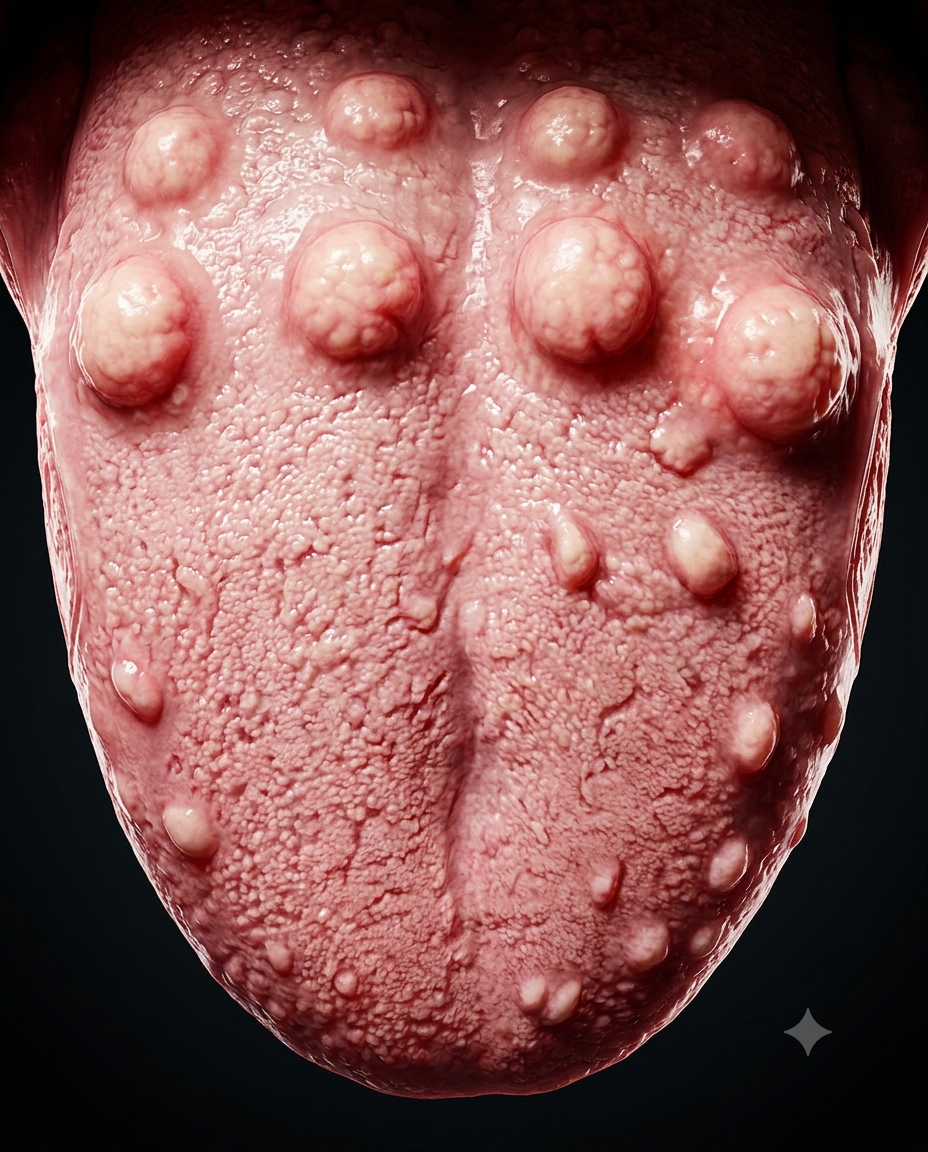
Noticing new bumps in your mouth can be unsettling, especially when you cannot see them clearly or explain how they got there. If you have caught yourself asking, “why do i have bumps on the back of my tongue,” you are far from alone. This is one of the most common oral health concerns people search for, and in the vast majority of cases, the answer is far less alarming than it feels in the moment. The back of the tongue is naturally home to small anatomical structures, taste buds, and lymphatic tissue that can become more noticeable due to irritation, infection, or everyday habits like eating spicy food or breathing through your mouth while sick.
This guide walks through everything you need to know about why you have bumps on the back of your tongue, from basic anatomy to the full range of causes, home care options, medical treatments, and the warning signs that mean it is time to see a professional. The goal is to give you a clear, medically grounded understanding so you can move from anxious searching to informed action.
Understanding Tongue Anatomy: What Is Actually Normal Back There
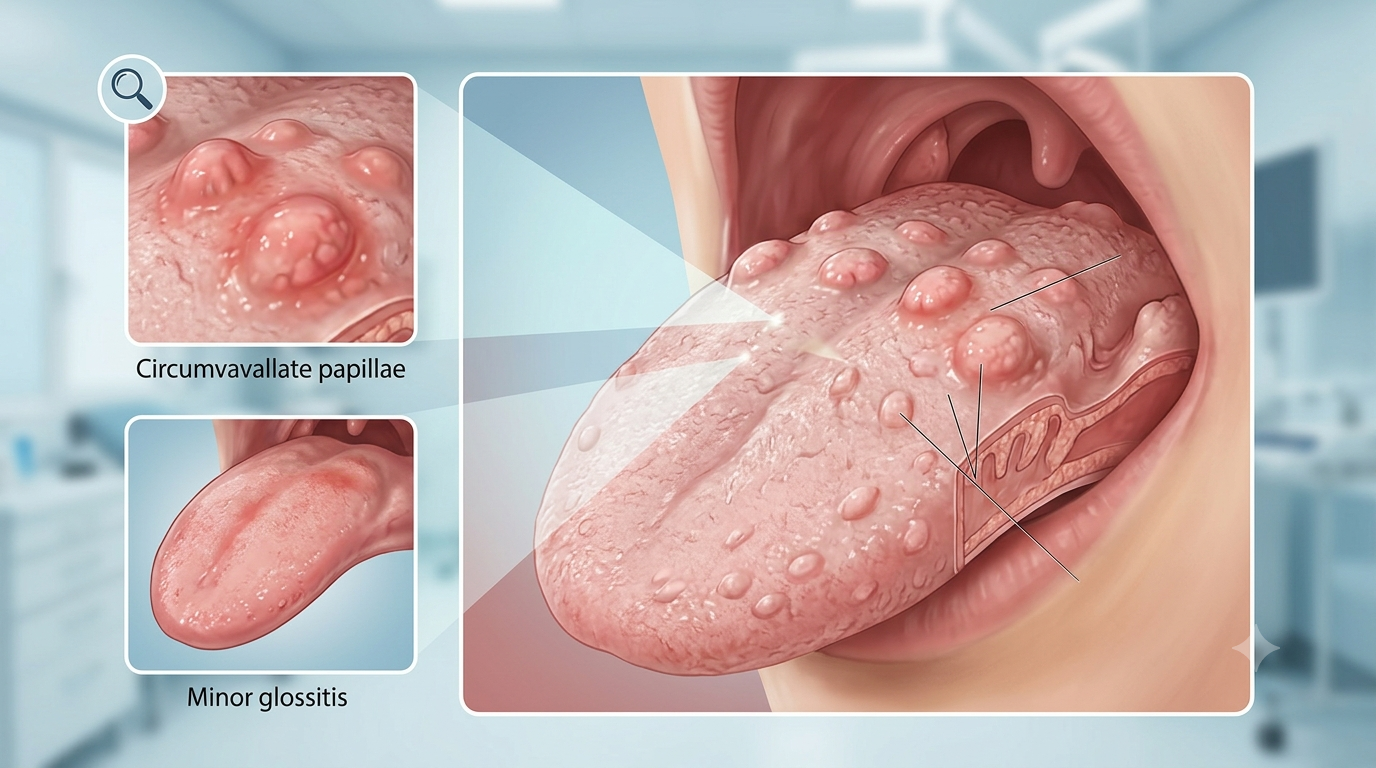
Before diving into why you have bumps on the back of your tongue, it helps to understand what is supposed to be there in the first place. The tongue’s surface is covered in small projections called papillae, and these are not a sign of disease — they are a normal, functional part of the tongue. There are four types: filiform papillae, which are thread-like and cover most of the tongue’s surface for texture and grip; fungiform papillae, which are mushroom-shaped and contain taste buds, scattered across the tip and sides; foliate papillae, found along the back edges; and circumvallate papillae, which are the largest and form a V-shaped row toward the very back of the tongue, just in front of where it meets the throat.
Circumvallate papillae are often the real answer to why you have bumps on the back of your tongue. Because they sit close to the throat and are naturally larger than the papillae elsewhere, many people never notice them until one day they happen to look closely in the mirror, at which point the discovery can feel alarming even though nothing has actually changed. Alongside these papillae, the very back of the tongue also contains lingual tonsils, a patch of lymphatic tissue that is part of the body’s immune defense system, similar in function to the tonsils at the back of your throat. When you are fighting an infection, cold, or allergy flare-up, this tissue can swell slightly, which is another frequent explanation for people wondering why they have bumps on the back of their tongue during illness.
Understanding this baseline anatomy matters because it reframes the question. In many cases, the honest answer to why you have bumps on the back of your tongue is that you are simply noticing normal structures for the first time, not that something new has appeared.
Why Do I Have Bumps on the Back of My Tongue? The Most Common Causes Explained
While normal anatomy explains a large share of cases, there are genuine, temporary conditions that cause new or changed bumps to appear. Below is a detailed breakdown of the most frequent culprits.
Enlarged or Irritated Papillae
The papillae described above can become temporarily enlarged due to friction, heat, or chemical irritation. Eating very hot food, biting your tongue, using an abrasive toothpaste, or even aggressive tongue brushing can cause the filiform or fungiform papillae to swell and become more prominent for a day or two. This mechanical irritation is one of the simplest and most common answers to why you have bumps on the back of your tongue, and it typically resolves on its own without any treatment once the irritant is removed.
Transient Lingual Papillitis, Also Known as Lie Bumps
Transient lingual papillitis is an extremely common condition, sometimes nicknamed “lie bumps” based on an old folk belief that they appear after telling a lie. In reality, they are believed to be triggered by stress, hormonal shifts, spicy or acidic foods, or minor trauma to the tongue’s surface. They present as small, red or white, sometimes painful bumps that can appear anywhere on the tongue, including the back. They usually last only a few days and clear up without intervention, making them one of the more benign explanations when people ask why they have bumps on the back of their tongue.
Canker Sores Near the Back of the Tongue
Canker sores, medically known as aphthous ulcers, are small, shallow lesions with a white or yellow center and a red border. While they more commonly form on the inner cheeks or lips, they can develop toward the back of the tongue as well. They are not contagious and are often linked to minor tissue injury, stress, certain food sensitivities, or nutritional deficiencies in iron, vitamin B12, or folate. If a canker sore is the reason you have bumps on the back of your tongue, you will typically notice a distinct burning or stinging sensation that worsens with acidic or spicy foods.
Oral Thrush and Fungal Overgrowth
Oral thrush is a yeast infection caused by an overgrowth of Candida, a fungus that normally lives in small amounts in the mouth. When the balance of oral bacteria and fungus is disrupted — often due to antibiotic use, a weakened immune system, poorly controlled diabetes, or inhaled steroid medications — thrush can develop. It appears as creamy white or yellowish patches, sometimes with a bumpy or cottage-cheese-like texture, and can occur toward the back of the tongue and throat. This is a more clinically significant explanation for why you have bumps on the back of your tongue, since it usually requires antifungal treatment rather than resolving on its own.
Allergic Reactions and Oral Allergy Syndrome
Some people experience mild allergic reactions to certain fruits, vegetables, or nuts that cause temporary tingling, swelling, or bump-like irritation on the tongue, particularly toward the back where sensitivity can feel more pronounced. This is sometimes called oral allergy syndrome and is linked to cross-reactivity between certain pollens and raw produce. If bumps consistently appear after eating specific foods, an allergic response is a reasonable explanation for why you have bumps on the back of your tongue.
Acid Reflux and GERD-Related Irritation
Gastroesophageal reflux disease, or GERD, allows stomach acid to travel up into the throat and mouth, where it can irritate the delicate tissue at the back of the tongue. Over time, this chronic acid exposure can cause the circumvallate papillae and surrounding tissue to become inflamed and more noticeable. People with reflux often report a sour taste, a burning sensation in the throat, or a sensation of a lump, alongside visible bumps, which makes GERD one of the more overlooked reasons behind the question of why they have bumps on the back of their tongue.
Smoking, Alcohol, and Chemical Irritants
Tobacco smoke, alcohol, and even certain mouthwashes with high alcohol content can chronically irritate the tongue’s surface. Regular exposure to these irritants can lead to persistent inflammation of the papillae and surrounding tissue, making bumps more visible and, in some cases, changing their color or texture. Anyone who smokes or drinks heavily and is wondering why they have bumps on the back of their tongue should consider this as a contributing factor, since cutting back often leads to visible improvement.
Human Papillomavirus and Oral Warts
In less common cases, small, cauliflower-like growths on the back of the tongue can be caused by strains of human papillomavirus, or HPV, transmitted through oral contact. These growths are usually painless but persistent, unlike the temporary bumps caused by irritation or minor infections. If bumps do not resolve after a couple of weeks, HPV-related warts are one of the possibilities a healthcare provider will consider when evaluating why you have bumps on the back of your tongue.
Less Common but Serious Causes You Should Not Ignore
While the majority of cases behind the question of why you have bumps on the back of your tongue are benign and self-limiting, there is a smaller category of causes that warrant closer medical attention. Oral leukoplakia refers to thick, white patches that cannot be scraped off and are sometimes linked to chronic irritation from tobacco or ill-fitting dentures; these patches carry a small risk of becoming precancerous over time. Erythroplakia, a red, velvety patch, carries an even higher association with abnormal cell changes and should always be evaluated promptly. Oral or tongue cancer, while rare, can present as a persistent lump, sore, or thickened area at the back of the tongue that does not heal within two to three weeks, and it may be accompanied by unexplained bleeding, numbness, or difficulty swallowing.
It is important to keep this in perspective: these serious causes are uncommon, and the overwhelming majority of people asking why they have bumps on the back of their tongue are dealing with normal anatomy or a minor, temporary irritation. However, persistence and change over time are the two factors that should always prompt a professional evaluation rather than continued self-diagnosis.
Symptoms That Often Accompany Tongue Bumps
The bumps themselves rarely occur in isolation, and the accompanying symptoms often provide the clearest clue to the underlying cause. Pain or a burning sensation, particularly with spicy or acidic foods, tends to point toward canker sores or transient lingual papillitis. A white or creamy coating alongside the bumps suggests oral thrush. A sour taste, throat clearing, or a chronic cough may indicate acid reflux is behind the irritation. Swelling that comes on suddenly after eating a particular food points toward an allergic reaction. Bumps that are firm, painless, and unchanging for weeks are the pattern most worth discussing with a doctor, since this profile is less typical of the everyday causes and more consistent with something that needs direct examination.
Tracking when the bumps appear, how long they last, and what seems to trigger or relieve them can make a real difference in how quickly a cause is identified, whether you manage it yourself or bring the information to a healthcare provider.
How Doctors Diagnose the Underlying Cause
When someone visits a doctor or dentist specifically because they cannot figure out why they have bumps on the back of their tongue, the evaluation usually starts with a visual examination and a detailed history of symptoms, diet, medications, and habits like smoking or alcohol use. In many cases, this alone is enough to identify benign causes like enlarged papillae or transient lingual papillitis. If thrush is suspected, a simple swab or scraping can confirm the presence of Candida under a microscope. When acid reflux is a likely contributor, a doctor may recommend a trial of reflux medication to see if symptoms improve, which both treats the issue and helps confirm the diagnosis.
For bumps that persist beyond two to three weeks, look unusual in color or texture, or are accompanied by other red-flag symptoms, a biopsy may be recommended. This involves taking a small tissue sample for laboratory analysis and is the most definitive way to rule out precancerous or cancerous changes. While a biopsy sounds intimidating, it is a routine, low-risk procedure, and in the vast majority of cases it returns a reassuring result.
Home Remedies and Self-Care Tips for Tongue Bumps
For the many cases where the answer to why you have bumps on the back of your tongue is a minor, temporary irritation, simple home care is often enough. Rinsing with warm salt water several times a day can reduce inflammation and support healing, particularly for canker sores and general irritation. Switching to a soft-bristled toothbrush and a mild, non-abrasive toothpaste can prevent further mechanical trauma to sensitive papillae. Avoiding very hot, spicy, acidic, or crunchy foods for a few days gives irritated tissue time to recover. Staying well hydrated supports natural healing and helps maintain a healthy balance of oral bacteria. Over-the-counter oral gels containing benzocaine or similar numbing agents can ease discomfort from canker sores, though they should be used sparingly and according to label instructions.
If reflux seems to be a contributing factor, avoiding late-night meals, reducing caffeine and alcohol intake, and elevating the head while sleeping can meaningfully reduce nighttime acid exposure to the throat and tongue. For those whose bumps seem tied to stress, incorporating basic stress management techniques, adequate sleep, and a balanced diet rich in iron, B12, and folate can reduce the frequency of flare-ups linked to transient lingual papillitis and canker sores.
Medical Treatments When Home Care Is Not Enough
When self-care does not resolve the issue, targeted medical treatment is usually straightforward. Oral thrush is typically treated with prescription antifungal medications such as nystatin or fluconazole, and symptoms usually improve within one to two weeks. Bacterial infections, if present, are treated with an appropriate course of antibiotics prescribed after evaluation. GERD-related irritation is managed with acid-reducing medications such as proton pump inhibitors or H2 blockers, often alongside the lifestyle changes mentioned earlier. Persistent or recurrent canker sores may be treated with prescription-strength topical corticosteroids to reduce inflammation and speed healing. In the rare cases where a biopsy identifies precancerous or cancerous tissue, treatment is individualized and may involve removal of the affected tissue, further specialist evaluation, and ongoing monitoring.
The key theme across all of these treatment paths is that identifying the correct underlying cause is what makes treatment effective — which is exactly why persistent or unusual bumps deserve a proper diagnosis rather than guesswork.
Comparing Tongue Bumps With Other Common Oral Conditions
It is easy to confuse the various causes discussed above, so a direct comparison can help clarify what you might be dealing with. Enlarged papillae and transient lingual papillitis tend to be short-lived, resolving within a few days, and are rarely painful beyond mild sensitivity. Canker sores are distinctly painful, especially with acidic foods, and have a clear white-centered, red-bordered appearance. Oral thrush presents as a creamy white coating rather than isolated bumps and often comes with a cottony feeling in the mouth. Allergic reactions tend to appear quickly after eating a specific trigger food and usually resolve once the food is avoided. GERD-related changes build gradually over weeks or months and are accompanied by other reflux symptoms like a sour taste or chronic throat clearing. Leukoplakia and erythroplakia are distinguished by patches rather than isolated bumps, and by the fact that they do not resolve on their own. Understanding these distinctions is often the fastest way to narrow down why you have bumps on the back of your tongue before you even see a professional.
Lifestyle, Diet, and Regional Influences on Oral Health
Diet and regional eating habits play a meaningful role in how often people experience tongue irritation. In regions where diets are rich in chili, extremely hot beverages, or heavily acidic foods, transient lingual papillitis and general papillae irritation tend to be reported more frequently, simply due to more frequent mechanical and chemical exposure. Climate can play a role too — in hotter climates, dehydration is more common, and a dry mouth is more prone to irritation and a higher risk of fungal overgrowth. Cultural habits around oral hygiene, such as the frequency of tongue scraping or the type of toothpaste commonly used, also shape how often people notice or develop bumps at the back of the tongue. None of this means a particular diet or region causes serious disease; rather, it explains why the everyday, benign version of this concern is reported so consistently across different populations, and why simple dietary adjustments are often the first and most effective line of self-care.
Preventive Oral Care Practices That Reduce Recurrence
Prevention largely comes down to consistent, gentle oral hygiene and awareness of personal triggers. Brushing twice daily with a soft-bristled brush, flossing regularly, and using an alcohol-free mouthwash reduces chronic irritation. Limiting extremely hot, spicy, or acidic foods, especially during periods when the tongue already feels sensitive, prevents flare-ups from compounding. Staying hydrated supports saliva production, which naturally protects oral tissue and controls bacterial and fungal balance. Routine dental checkups allow a professional to catch early changes before they become bothersome, and they provide a reliable second opinion whenever new or unusual bumps appear. For anyone with reflux, quitting smoking, and following a diet that supports gut and immune health, these preventive habits collectively reduce how often the question of why you have bumps on the back of your tongue even comes up in the first place.
When to See a Doctor: Red Flags You Should Not Ignore
While most cases are harmless, certain signs mean it is time to schedule an appointment rather than wait it out. These include a bump or patch that persists for more than two to three weeks without improvement, a sore that grows larger or changes color over time, unexplained bleeding from the tongue, numbness or a persistent burning sensation with no clear food-related trigger, difficulty swallowing or a sensation of something stuck in the throat, unexplained weight loss alongside tongue changes, and white or red patches that cannot be wiped away. None of these symptoms automatically means something serious is happening, but they are the signals that separate a routine, self-resolving irritation from something that genuinely needs a professional look. If you have been asking yourself why you have bumps on the back of your tongue for several weeks with no improvement, this is the point where a dentist or doctor’s visit becomes the right next step rather than continued self-monitoring.
Long-Term Outlook and the Future of Oral Health Awareness
For the vast majority of people, bumps on the back of the tongue are a temporary, self-limiting nuisance rather than a sign of serious disease, and they typically resolve with basic self-care, dietary adjustment, or a short course of targeted treatment. Awareness of oral anatomy and common conditions like transient lingual papillitis has grown significantly in recent years, partly due to increased access to health information online, which means more people are able to correctly identify harmless causes without unnecessary anxiety. At the same time, growing awareness has also improved early detection of the less common but more serious causes, since more people are now paying attention to persistence and change as the key warning signs rather than the mere presence of a bump. As oral health screening tools and telehealth consultations become more accessible, getting a fast, professional answer to why you have bumps on the back of your tongue is easier than ever, reducing both unnecessary worry and the risk of overlooking something that truly needs attention.
Frequently Asked Questions
Is it normal to suddenly notice bumps on the back of my tongue that I never saw before?
Yes, this is extremely common. The circumvallate papillae and lingual tonsils are always present at the back of the tongue, but many people only notice them the first time they look closely in a mirror or use a flashlight. Noticing them for the first time does not mean they are new.
How long do lie bumps or transient lingual papillitis usually last?
Most cases resolve within two to five days without any treatment. Avoiding spicy, acidic, or very hot foods during this window can speed up recovery and reduce discomfort.
Can stress really cause bumps on the back of my tongue?
Yes, stress is a recognized trigger for both transient lingual papillitis and canker sores. Hormonal changes linked to stress can affect the tongue’s tissue and immune response, making flare-ups more likely during particularly demanding periods.
Should I be worried if the bumps are painless?
Painless bumps are usually less concerning than painful ones in the short term, but a painless bump or patch that persists for more than two to three weeks without changing should still be checked by a doctor, since some serious conditions present without pain in their early stages.
Can acid reflux really cause visible bumps on my tongue?
Yes. Chronic exposure to stomach acid can irritate the tissue at the back of the tongue, causing the papillae to become inflamed and more prominent. Managing reflux with dietary changes or medication often improves the appearance over time.
Is oral thrush contagious?
Oral thrush itself is generally not considered highly contagious in healthy adults, though the Candida fungus responsible can be passed through close contact in certain situations, such as breastfeeding. People with weakened immune systems are more susceptible to developing it.
When should I stop trying home remedies and see a doctor?
If bumps last longer than two to three weeks, keep changing in size or color, bleed without an obvious cause, or come with symptoms like difficulty swallowing or persistent numbness, it is time to stop self-treating and get a professional evaluation.













Leave a Reply