


Growing older brings a quiet kind of freedom, and nowhere is that freedom more visible than in the way women and men over 70 begin to approach their hair. Gone are the days of spending an hour in front of the mirror wrestling with a blow-dryer, hot rollers, or a curling wand. What most people in their seventies and beyond want today is simple: a haircut that looks polished the moment it dries, requires no fuss, and still makes them feel confident walking out the door. This is precisely what wash and wear haircuts for over 70 with thin hair are designed to deliver, and it is why this style category has become one of the most searched and most requested looks in salons across the country.
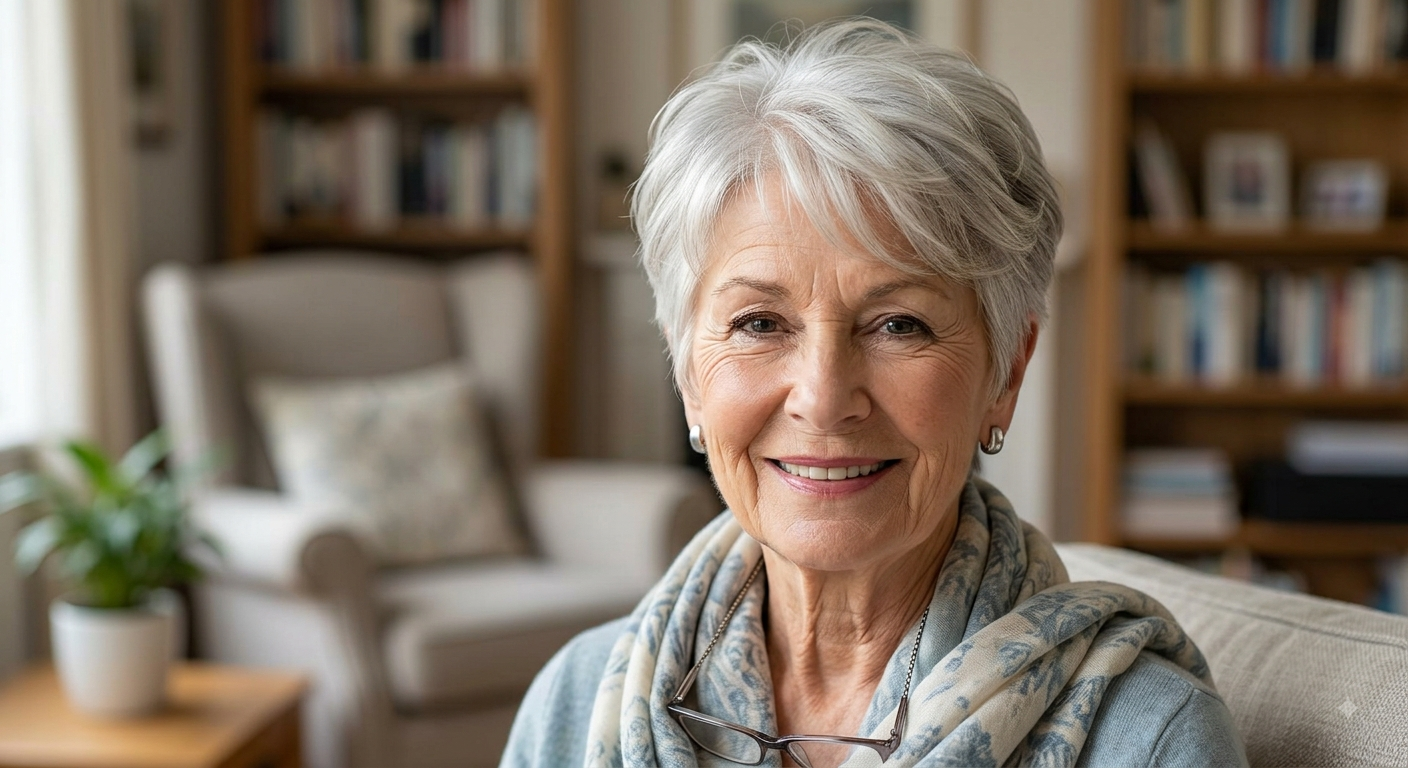
Thin, fine hair changes texture and density as we age due to hormonal shifts, slower hair growth cycles, and reduced scalp elasticity. Add to that the natural decline in daily energy and patience for elaborate styling routines, and it becomes clear why low-maintenance, wash-and-go hairstyles have become the gold standard for older adults. This guide takes an in-depth look at the origins of this hairstyling philosophy, why it matters so much for seniors today, how professional stylists implement it, the regional and cultural variations in how it is styled, real success stories from women who have embraced it, the challenges that come with thinning hair, how it compares with other popular haircut categories, and what the future holds for this evergreen trend.
Understanding the Rise of Wash and Wear Haircuts for Over 70 with Thin Hair
The concept of “wash and wear” hair is not new, but its popularity among older adults has grown tremendously over the last two decades. In earlier generations, women were often expected to maintain elaborate, structured hairstyles that required weekly salon visits, rollers, and heavy styling products. As lifestyles became busier and more people began prioritizing comfort, convenience, and self-care over rigid beauty standards, the idea of a haircut that could be washed, air-dried or lightly styled, and worn immediately gained momentum.
For people over 70, this shift has been especially meaningful. Many seniors deal with reduced hand strength, arthritis, limited mobility, or simply a desire to spend less time on grooming and more time enjoying life. Wash and wear haircuts for over 70 with thin hair answer this need directly. They are cut in a way that works with the hair’s natural fall, texture, and thinning pattern rather than against it, which means there is little to no need for daily heat styling, teasing, or complicated product routines.
This evolution mirrors a broader cultural movement toward embracing natural aging, texture, and authenticity. Just as attitudes toward gray hair have softened and even become celebrated, the approach to haircuts for older adults has shifted from disguising thinning hair through complicated volumizing techniques to working smartly with what is naturally there.
Why Wash and Wear Styles Matter So Much After 70
The Physical and Practical Benefits
As the body ages, fine motor skills, grip strength, and stamina can decline. Standing in front of a mirror holding a blow dryer or curling iron for twenty to thirty minutes becomes genuinely tiring for many seniors. A wash and wear haircut solves this problem at its root by eliminating the need for that kind of daily effort. The cut itself does the work, falling into place with minimal encouragement from a comb or a light finger-styling session.
The Confidence and Emotional Impact
Hair has always been closely tied to self-image, and this does not change with age. In fact, for many people over 70, how their hair looks can significantly influence how confident and put-together they feel each day. A well-executed wash and wear haircut ensures that even on low-energy days, a person can look neat, intentional, and stylish without extra effort. This emotional lift matters enormously for mental wellbeing, social engagement, and overall quality of life in the senior years.
Compatibility with Thinning Hair Texture
Thin hair behaves differently than thick or medium-density hair. It has less weight to hold a style, tends to show scalp more easily at longer lengths, and can look flat or stringy if not cut with the right technique. Wash and wear haircuts for over 70 with thin hair are specifically designed around these characteristics, using shorter lengths, strategic layering, and textured finishing techniques to create the illusion of fullness while keeping maintenance minimal.
The Objectives Behind This Hairstyling Approach
When a stylist sits down with a client over 70 who has thin hair and wants a wash-and-wear solution, there are several clear objectives guiding the process. The first objective is volume creation. Since fine hair lacks natural body, the cut must be engineered to lift at the root and create the appearance of density, often through graduated layers or a soft, rounded silhouette.
The second objective is shape retention without styling tools. A good wash and wear cut should hold its form simply from the way it was cut, meaning the hairline, layers, and overall silhouette are precise enough that gravity and natural drying do most of the styling work.
The third objective is face-framing and flattery. As facial structure softens with age, haircuts that soften the jawline, highlight the eyes, and balance proportions become especially important. Many wash and wear haircuts for over 70 with thin hair incorporate soft fringes, side-swept bangs, or face-framing layers for precisely this reason.
The final objective is longevity between salon visits. Because many seniors may not be able to visit a salon frequently due to mobility or scheduling constraints, these haircuts are designed to grow out gracefully, maintaining a flattering shape for six to eight weeks or longer without requiring a trim.
How Stylists Implement Wash and Wear Haircuts for Thin Hair
Choosing the Right Length
Length is one of the most critical decisions in this styling category. Extremely long hair tends to pull down on thin strands, flattening any volume at the crown and making the scalp more visible. For this reason, most wash and wear haircuts for over 70 with thin hair fall in the short-to-medium range, often between chin length and just above the shoulders. Pixie cuts, textured bobs, and layered crops are especially popular because they naturally lift away from the head rather than weighing hair down.
Layering Techniques That Add Fullness
Layering is where much of the “magic” of a wash and wear cut happens. Rather than cutting all the hair to one blunt length, which can make thin hair look sparse and stringy, stylists use point-cutting, razor-cutting, or slide-cutting techniques to remove weight strategically while building movement. This creates soft, feathered ends that appear thicker in aggregate, even though each individual strand is fine.
Root-Lift and Texture Considerations During Cutting
Many stylists cut thin hair slightly shorter at the crown or use a technique that encourages hair to sit up and away from the scalp as it dries naturally. This root-lift approach is central to wash and wear haircuts for over 70 with thin hair because it directly addresses the flatness that often plagues fine, aging hair.
The Role of a Good Consultation
Before any cutting begins, an experienced stylist will assess natural hair growth patterns, cowlicks, hair density across different areas of the scalp, and the client’s daily routine. This consultation ensures the final cut is genuinely wash-and-wear rather than a style that looks good only when professionally blow-dried in the salon chair.
Regional Impact and Cultural Variations in Styling Preferences
Interestingly, the way wash and wear haircuts are interpreted and styled can vary meaningfully by region and climate, a factor that thoughtful stylists take into account. In humid coastal regions, for example, textured pixie cuts and short layered bobs are favored because they resist frizz and hold shape even in moisture-heavy air. In drier, higher-altitude regions, slightly longer wash and wear styles can be worn successfully because static and frizz are less of a concern, though added hydration in the cut and finishing products becomes more important.
Cultural beauty norms also shape how this haircut category is embraced. In some communities, shorter cropped styles are the default choice for older women, seen as elegant and dignified, while in others, a slightly longer chin-to-shoulder length wash and wear bob is preferred to maintain a softer, more traditional appearance. Salons that serve diverse, multigenerational communities often develop a range of wash and wear haircuts for over 70 with thin hair specifically to accommodate these regional and cultural preferences, ensuring the style feels personal rather than one-size-fits-all.
Broader lifestyle patterns tied to region also play a role. In warmer climates where outdoor activity, gardening, and walking are part of daily routines, extremely short, breathable cuts are popular for comfort. In cooler regions, slightly fuller, layered styles that provide a bit more warmth and coverage around the ears and neck tend to be requested more often. This kind of regional nuance demonstrates that even a seemingly simple haircut category has depth, adaptability, and local relevance.
Popular Styles Within the Wash and Wear Category
The Textured Pixie
The textured pixie remains one of the most requested wash and wear haircuts for over 70 with thin hair because it delivers maximum volume with minimum effort. Short layers around the crown create lift, while slightly longer pieces at the front allow for soft styling around the face.
The Layered Bob
A layered bob that hits between the chin and the shoulders offers a slightly softer, more classic silhouette while still qualifying as wash and wear. The key is ensuring the layers are cut with enough movement that the ends do not appear thin or wispy once dry.
The Shag with Feathered Layers
Originally a retro style, the shag haircut has made a strong comeback among older women with fine hair because its heavily feathered layers create the illusion of texture and thickness. It works particularly well for those who want a slightly longer look without sacrificing the wash-and-wear convenience.
The Cropped Undercut Bob
For those seeking a bolder, more modern statement, a cropped bob with subtle undercutting at the nape offers dramatic shape while remaining incredibly low-maintenance, since the shorter underlayer reduces bulk and the top layer simply falls into place.
Success Stories: Real Transformations After 70
Across salons and online beauty communities, countless women in their seventies, eighties, and even nineties have shared how switching to a wash and wear haircut transformed not just their appearance but their entire morning routine. One recurring story involves women who, after decades of setting their hair in rollers every night, finally let go of that ritual and adopted a short textured crop. Many describe an overwhelming sense of relief, saying they finally feel free from a routine that had become physically taxing.
Another common success story comes from women managing arthritis or limited shoulder mobility, who found that raising their arms to blow-dry and style hair had become painful. After transitioning to a wash and wear haircut for over 70 with thin hair, they reported being able to simply towel-dry, apply a small amount of styling cream, and walk out the door within minutes, with no pain and no compromise on appearance.
Family members often become part of these stories too, noting how a parent or grandparent’s confidence visibly improved after a haircut update. Several caregivers have shared that a lower-maintenance style made it significantly easier to help loved ones in assisted living or home-care settings maintain a neat, dignified appearance without the logistical challenge of frequent salon visits or complex styling routines.
Challenges That Come with Thin, Aging Hair
Despite the many benefits, achieving the perfect wash and wear haircut for over 70 with thin hair is not without its challenges. One of the most common issues is uneven hair density, where certain areas of the scalp, often at the crown or temples, have noticeably thinner coverage than others. Stylists must account for this asymmetry when cutting, or the finished style can look uneven once it dries naturally.
Another challenge is hair texture change over time. Many people find that their hair, which may have been wavy or coarse in earlier decades, becomes finer, straighter, or more brittle with age due to hormonal shifts and reduced natural oil production. This means a haircut that worked beautifully five years ago may no longer suit the current texture, requiring a fresh consultation and updated cutting technique.
Scalp visibility is a further concern, particularly under bright lighting or when hair is parted in a single consistent line. Skilled stylists address this by recommending a soft, zigzag part instead of a straight one, and by cutting shorter layers that create the illusion of coverage.
Finally, there is the challenge of finding a stylist genuinely experienced in cutting for mature, thinning hair. Not every salon specializes in this niche, and a haircut that photographs beautifully on a model with thick hair may not translate successfully to fine, fragile strands. This has led many seniors to specifically seek out stylists who advertise expertise in wash and wear haircuts for over 70 with thin hair, since the technical skill required is genuinely different from standard cutting.
Comparing Wash and Wear Haircuts with Other Popular Styling Approaches
When placed side by side with other hairstyling categories, the advantages of the wash and wear approach become even clearer. Traditional set-and-style haircuts, which rely on weekly salon visits for washing, rolling, and heavy-duty styling, offer a polished look but demand significant time, cost, and physical effort that many people over 70 simply no longer want to commit to. Perm-based styles, once extremely popular for adding volume to thin hair, can achieve fullness but often come with the downside of chemical processing, which can be harsh on already fragile, aging strands and may require more frequent touch-ups than a well-cut wash and wear style.
Long, flowing hairstyles, while beautiful on some, tend to work against thin hair by pulling it flat and emphasizing sparse areas, and they typically require far more daily maintenance than most seniors are willing to invest. By comparison, wash and wear haircuts for over 70 with thin hair strike a balance that few other categories manage: they deliver visible volume and shape, require virtually no daily styling investment, and adapt gracefully as hair continues to thin with age. This combination of low effort and high visual payoff is precisely why the style has outpaced more traditional or high-maintenance alternatives among older adults.
Product and Care Recommendations to Support the Style
While the haircut itself does most of the work, a small, thoughtfully chosen set of products can make a meaningful difference in how a wash and wear style looks day to day. A lightweight volumizing mousse or root-lifting spray, applied to damp hair before air-drying, helps maintain lift at the crown. A small amount of texturizing cream or paste worked through dry ends can add definition without weighing thin hair down. Dry shampoo is another valuable tool, both for refreshing volume between washes and for absorbing excess oil that can make fine hair appear flatter.
It is equally important to avoid heavy, oil-based products, which tend to make thin hair look greasy and limp rather than full. Gentle, sulfate-free shampoos formulated for fine or aging hair can also help preserve natural moisture without stripping strands or causing further fragility, ensuring that wash and wear haircuts for over 70 with thin hair continue to look their best between salon appointments.
The Role of Regular Trims in Maintaining Shape
Even the lowest-maintenance haircut benefits from periodic upkeep. For most wash and wear styles, a trim every six to eight weeks is recommended to preserve the precision of the layers and prevent the ends from becoming thin or uneven as hair grows out. Skipping trims for too long can cause the carefully engineered volume and shape to gradually disappear, since thin hair loses its structured silhouette more quickly than thicker hair types. Stylists often recommend that clients think of these trims not as a chore, but as a quick, low-effort touchpoint that keeps the entire wash-and-wear philosophy functioning as intended.
Future Prospects for This Hairstyling Trend
Looking ahead, the demand for wash and wear haircuts for over 70 with thin hair is expected to keep growing, driven by several converging trends. The global population is aging, with more people living active, independent lives well into their eighties and nineties, and this demographic increasingly values convenience without sacrificing style. At the same time, the beauty and wellness industry has been steadily shifting toward inclusivity for older consumers, with more product lines, styling tools, and salon training programs specifically developed for mature and thinning hair.
Advances in cutting techniques, including more precise point-cutting tools and specialized education for stylists in texturizing fine hair, are likely to make these haircuts even more refined and personalized in the coming years. There is also a growing cultural embrace of natural aging and authenticity, which supports the continued popularity of styles that work with one’s real hair rather than against it. As awareness spreads through social media, word of mouth, and salon marketing, more people over 70 are expected to seek out this category of haircut specifically by name, reinforcing its position as a mainstream, rather than niche, styling choice.
Choosing the Right Stylist and Communicating Your Needs
Finding the right professional is one of the most important steps in achieving a successful wash and wear haircut. It helps to look for stylists who have specific experience with mature clients and thinning hair textures, since the cutting philosophy differs meaningfully from standard youthful or thick-hair techniques. During the consultation, being clear about daily routine, physical limitations, and styling preferences allows the stylist to tailor the cut precisely. Bringing reference photos can help communicate the desired silhouette, but it is equally important to discuss hair texture openly, since a style that looks perfect on someone else’s hair may need adjustments to translate well onto individually thinning strands.
Final Thoughts on Embracing Effortless Elegance
There is a quiet confidence that comes with a haircut that requires no battle each morning, one that simply falls into place and lets a person get on with their day. For those over 70 navigating the natural changes that come with thinning hair, this kind of effortless elegance is not a compromise but an upgrade. Wash and wear haircuts for over 70 with thin hair represent a thoughtful intersection of practicality, comfort, and genuine style, proving that low maintenance and high impact are not mutually exclusive. Whether it is a textured pixie, a soft layered bob, or a feathered shag, the right cut can restore a sense of ease and confidence that makes every single day just a little brighter.
Frequently Asked Questions
What makes a haircut qualify as “wash and wear” for thin hair over 70?
A true wash and wear haircut is cut and layered in a way that falls naturally into shape after washing, requiring little to no blow-drying, curling, or additional styling tools to look finished.
How short should hair be cut to achieve the best volume for thinning hair?
Most stylists recommend lengths ranging from a short pixie to just above the shoulders, since shorter lengths reduce the weight pulling hair flat and allow layers to create visible lift and fullness.
How often should someone over 70 with thin hair get a trim?
A trim every six to eight weeks is generally ideal to maintain the precision of the layers and prevent the ends from thinning out or losing their shape as the hair grows.
Can color treatments be combined safely with these low-maintenance cuts?
Yes, many people successfully combine soft, low-maintenance color techniques such as subtle highlights or all-over gentle tones with wash and wear cuts, though it is wise to use color formulas designed for fragile or aging hair to minimize damage.
Are there specific products that help thin hair look fuller without daily styling?
Lightweight volumizing mousse, root-lifting spray, and a small amount of texturizing cream are commonly recommended, along with dry shampoo to refresh volume and absorb excess oil between washes.
Is a wash and wear haircut suitable for very fine or sparse hair, or only moderately thin hair?
This style category can be adapted for nearly any degree of thinness, since the cutting techniques, particularly strategic layering and shorter lengths, are specifically designed to create the appearance of fullness regardless of how fine the individual strands are.
Do these haircuts work for both straight and wavy hair textures?
Yes, wash and wear haircuts are versatile enough to be tailored for straight, wavy, or slightly curly textures, with the stylist adjusting the layering and finishing technique to complement whichever natural pattern the hair has.











Leave a Reply