


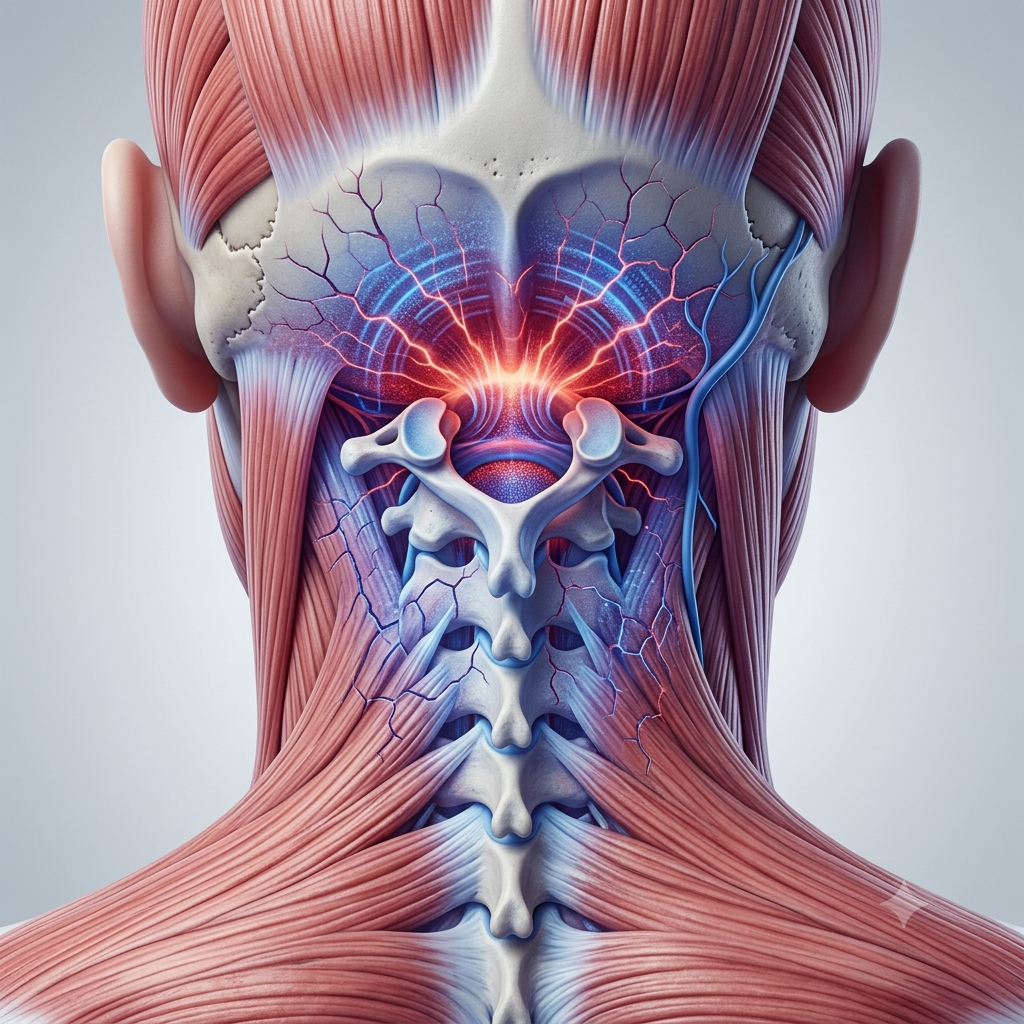
Waking up with a dull ache that wraps around the base of your skull, or noticing a sharp twinge every time you turn your head, is one of those experiences that quietly derails an entire day. For many people, pain in back of head at base of skull and neck starts small — a tight feeling after a long day at a desk — and gradually becomes something they can’t ignore. It can show up as a throbbing sensation, a burning discomfort, or a stiff band of tension running from the shoulders up into the scalp. Because this region houses a dense network of muscles, nerves, and joints, even minor irritation can produce symptoms that feel far more serious than they actually are.

This article takes a deep, practical look at why this kind of pain develops, how it has been understood and treated over time, what the recovery process typically involves, and how outcomes differ depending on the underlying cause. We’ll also cover realistic recovery stories, common obstacles people face during treatment, how this condition compares with other types of head and neck discomfort, and what the future holds as diagnostic tools and therapies continue to improve.
Understanding Pain in Back of Head at Base of Skull and Neck
The area where the skull meets the cervical spine is anatomically complex. It contains the occipital bone, the upper cervical vertebrae, several major muscle groups, and nerves that travel from the spinal cord up into the scalp. When any of these structures becomes irritated, inflamed, or mechanically strained, the result is often felt as pain in back of head at base of skull and neck. This is not a single diagnosis but rather a symptom pattern that can stem from a wide range of causes, from everyday muscular tension to nerve-related conditions like occipital neuralgia.
People often describe this discomfort differently depending on its origin. Some feel a constant dull pressure, similar to wearing a tight cap that never comes off. Others experience sharp, electric-shock-like jolts that radiate from the neck up toward the ears or eyes. Still others notice a throbbing quality that worsens with movement, bright light, or stress. Because the symptom presentation varies so widely, understanding the underlying mechanism is essential before deciding on an appropriate response.
A Brief History of How This Condition Has Been Understood
Discomfort at the base of the skull and neck is far from a modern phenomenon. Historical medical texts from ancient Greece and early Chinese medicine both reference head and neck pain tied to posture, tension, and what we would now recognize as musculoskeletal strain. Physicians in these early traditions often linked the discomfort to fatigue, poor sleeping positions, or what was loosely described as “cold entering the neck,” an early attempt to explain muscle stiffness before modern anatomy was fully mapped.
By the nineteenth century, as anatomical science advanced, physicians began distinguishing between muscular causes and nerve-related causes of head and neck pain. The identification of the occipital nerves and their pathway from the upper cervical spine into the scalp was a turning point, giving rise to the term occipital neuralgia. This distinction mattered because it separated pain caused by irritated nerves from pain caused by tight or overworked muscles, even though the two often occur together and can be difficult to tell apart without careful examination.
The twentieth century brought further refinement with the rise of ergonomics, occupational medicine, and physical therapy as dedicated fields. As more people transitioned into office-based, sedentary jobs, clinicians began noticing a sharp rise in cases of pain in back of head at base of skull and neck linked directly to prolonged sitting, poor desk setups, and repetitive strain. This shift in understanding moved treatment away from purely reactive pain relief and toward preventive strategies involving posture correction, ergonomic adjustments, and targeted strengthening exercises.
Today, imaging technology such as MRI and CT scans allows clinicians to rule out structural causes with far greater precision, while a better understanding of nerve pathways has improved the accuracy of diagnosing conditions like cervicogenic headache and occipital neuralgia. This historical progression, from vague folk explanations to precise anatomical understanding, has fundamentally changed how this type of pain is diagnosed and managed.
Common Causes Behind This Type of Discomfort
There is rarely a single cause behind pain in back of head at base of skull and neck. Instead, it usually results from a combination of physical, postural, and sometimes neurological factors working together.
Muscle tension is by far the most frequent culprit. The muscles at the base of the skull, particularly the suboccipital muscles, are small but powerful, and they tighten easily in response to stress, poor posture, or prolonged screen use. When these muscles remain contracted for extended periods, they can compress nearby nerves and blood vessels, producing the tight, band-like ache many people associate with tension headaches.
Cervicogenic headache is another common source. This type of headache originates from problems in the cervical spine, such as joint dysfunction, disc issues, or muscle imbalances, and the pain is then referred upward into the head. Unlike a typical headache, cervicogenic pain often worsens with certain neck movements or sustained positions, and it may be accompanied by stiffness or reduced range of motion in the neck itself.
Occipital neuralgia deserves special mention because it produces a very distinctive symptom pattern. It occurs when the occipital nerves, which run from the top of the spinal cord through the muscles at the back of the head, become irritated or compressed. This can result in sharp, stabbing, or electric-shock-like pain that starts at the base of the skull and can radiate toward the front of the head or behind the eyes. Triggers can include minor pressure on the scalp, sudden neck movement, or even brushing one’s hair.
Poor posture, particularly the forward head position common among people who spend long hours looking at phones or computer screens, places excessive strain on the neck and upper back muscles. Over time, this postural stress contributes significantly to chronic discomfort in this region. Similarly, sleeping in an awkward position, using an unsupportive pillow, or sustaining a minor injury such as whiplash can all trigger or worsen symptoms.
Other contributing factors include stress and anxiety, which cause unconscious muscle clenching in the jaw, shoulders, and neck; underlying arthritis in the cervical spine, which can irritate nearby nerves and joints; and, less commonly, issues such as blood pressure fluctuations or infections that produce referred pain in this area. Because the range of potential causes is broad, identifying patterns, such as when the pain occurs, what worsens or relieves it, and whether other symptoms accompany it, plays a crucial role in narrowing down the source.
Recognizing the Symptoms and Their Variations
While the core symptom is discomfort localized to the base of the skull and upper neck, the way this pain presents can vary considerably. Some people experience a constant, low-grade ache that fluctuates in intensity throughout the day, often worsening after long periods of sitting or screen exposure. Others report episodic sharp pain that comes in waves, sometimes triggered by specific movements like tilting the head back or turning it quickly.
Accompanying symptoms can offer important diagnostic clues. Tension-related pain often comes with a sensation of tightness extending into the shoulders, occasional mild headache, and sensitivity to stress. Cervicogenic headache frequently includes reduced neck mobility and pain that intensifies with certain postures. Occipital neuralgia tends to produce more localized, intense, and shooting pain, sometimes with tenderness when the scalp is touched. In rarer cases, symptoms like dizziness, visual disturbances, or numbness in the arms may indicate a need for more urgent medical evaluation, since these can point toward nerve compression or other underlying issues that require prompt attention.
Diagnosis: How Clinicians Identify the Underlying Cause
Because pain in back of head at base of skull and neck can stem from so many different origins, an accurate diagnosis typically begins with a detailed history and physical examination. A clinician will usually ask about the onset, duration, and character of the pain, along with any recent injuries, changes in daily habits, sleep quality, and stress levels. They will also assess posture, muscle tenderness, and range of motion in the neck.
In straightforward cases where muscular tension or poor posture appears to be the clear cause, further testing may not be necessary, and treatment can begin immediately with conservative measures. However, if the pain is severe, persistent, or accompanied by warning signs such as numbness, weakness, vision changes, or fever, imaging studies like X-rays, MRI, or CT scans may be ordered to rule out structural problems such as disc herniation, spinal stenosis, or nerve compression. In select cases, a diagnostic nerve block, where a small amount of anesthetic is injected near the occipital nerve, can help confirm occipital neuralgia by temporarily relieving the pain.
Implementation of Effective Treatment Approaches
Once the underlying cause has been identified, treatment is typically implemented in stages, starting with the least invasive options and progressing only if necessary. For the majority of cases rooted in muscle tension or posture, conservative care is highly effective and often resolves symptoms within a few weeks.
Initial management usually includes rest from aggravating activities, gentle stretching, and the application of heat or cold therapy to reduce muscle tightness and inflammation. Over-the-counter pain relievers such as acetaminophen or nonsteroidal anti-inflammatory medications can help manage discomfort in the short term. Alongside this, correcting posture, particularly during long periods of sitting or screen use, plays a significant role in preventing the pain from recurring.
Physical therapy is often introduced for cases that don’t resolve quickly or that involve recurring episodes. A physical therapist can guide targeted exercises to strengthen the neck and upper back muscles, improve flexibility, and correct postural imbalances that contribute to ongoing strain. Manual therapy techniques, including massage and gentle mobilization of the cervical spine, are frequently used to release tight muscles and restore normal movement patterns.
For cases involving occipital neuralgia or persistent cervicogenic headache that don’t respond to conservative measures, more targeted interventions may be considered. These can include prescription muscle relaxants, nerve pain medications, or occipital nerve blocks, which combine a local anesthetic with a corticosteroid to reduce inflammation around the affected nerve. In select chronic cases that don’t improve with these approaches, additional options such as botulinum toxin injections or, rarely, surgical decompression may be explored, though these are generally reserved for cases where other treatments have been thoroughly exhausted.
Stress management also plays an underappreciated but important role in treatment. Since emotional tension often manifests physically in the neck and shoulders, techniques like mindfulness, breathing exercises, and regular physical activity can meaningfully reduce both the frequency and intensity of symptoms over time.
How Outcomes Differ Depending on the Underlying Cause
Recovery timelines and long-term outcomes for pain in back of head at base of skull and neck vary considerably depending on what’s driving the symptoms. Tension-related discomfort, especially when linked to posture or short-term stress, generally responds quickly to conservative treatment, often improving within a few days to a couple of weeks once the underlying trigger is addressed.
Cervicogenic headache tends to take somewhat longer to resolve, particularly if it stems from long-standing postural habits or joint dysfunction that has developed over months or years. In these cases, physical therapy and consistent postural correction usually produce steady improvement over four to eight weeks, though some individuals may experience occasional flare-ups even after significant progress has been made.
Occipital neuralgia can be more variable in its response to treatment. Some people find substantial relief after a single nerve block, while others require a combination of medication, physical therapy, and lifestyle changes to manage symptoms effectively over the long term. Because the condition involves direct nerve irritation, it can sometimes take longer to fully settle, and a small subset of individuals may experience recurring episodes that require ongoing management rather than a one-time cure.
Age, overall health, activity level, and how early treatment begins all influence recovery speed. Younger, generally healthy individuals who address symptoms early with appropriate care tend to recover more quickly and experience fewer recurrences than those who delay treatment or continue engaging in activities that aggravate the underlying cause.
Real-World Recovery Experiences
Consider the experience of someone who spends the majority of their workday at a computer. After months of gradually worsening tightness at the base of the skull, they finally sought help, only to learn that a combination of forward head posture and prolonged sitting had placed excessive strain on their upper cervical muscles. With a structured plan involving ergonomic adjustments, daily stretching, and a few weeks of physical therapy, their symptoms improved significantly, and they reported feeling almost entirely pain-free within six weeks, with occasional mild tightness only during particularly demanding work periods.
Another common scenario involves someone who developed sudden, sharp, shooting pain after a minor fall that jolted their neck. Initial concern about something more serious was eased after imaging ruled out structural damage, and a diagnosis of occipital neuralgia was confirmed through a nerve block that provided immediate, if temporary, relief. Follow-up treatment combining medication and gentle physical therapy allowed this individual to gradually return to normal activity over the following two months, with periodic maintenance stretches helping to keep symptoms from returning.
A third example involves a person with a long history of stress-related muscle tension who had tried numerous over-the-counter remedies without lasting success. Once they began incorporating regular mindfulness practice alongside physical therapy, they noticed a marked reduction not just in the frequency of their pain but also in its overall intensity, illustrating how addressing the psychological and physical components together often produces better results than focusing on either alone.
These varied experiences highlight an important pattern: while the pain itself can feel similar across cases, the path to relief often depends heavily on accurately identifying the root cause and committing to a treatment approach tailored to it.
Common Challenges People Face During Treatment
Despite the availability of effective treatment options, several challenges commonly complicate recovery from pain in back of head at base of skull and neck. One of the most significant is inconsistent adherence to prescribed exercises and posture corrections. Because improvement is often gradual, many people stop physical therapy exercises or ergonomic adjustments once initial symptoms ease, only to find the discomfort returning weeks later.
Misdiagnosis or delayed diagnosis can also prolong suffering. Because the symptoms of tension headache, cervicogenic headache, and occipital neuralgia can overlap considerably, some individuals initially receive treatment aimed at the wrong underlying cause, delaying meaningful relief. This underscores the importance of a thorough evaluation, particularly for cases that don’t respond to standard conservative measures within a reasonable timeframe.
Lifestyle factors present another ongoing obstacle. For people whose jobs require long hours at a desk or repetitive physical strain, fully eliminating the triggers of their pain isn’t always practical. In these situations, treatment often has to focus on damage control, minimizing strain through better ergonomics and regular movement breaks rather than eliminating the underlying risk factor entirely.
Finally, chronic stress remains a persistent complicating factor. Because emotional and physical tension are so closely linked in this region of the body, individuals dealing with high stress levels often find that their symptoms fluctuate in tandem with their overall stress load, making consistent long-term stress management an essential, if sometimes overlooked, component of successful treatment.
Comparing This Condition to Other Types of Head and Neck Pain
It’s worth distinguishing pain in back of head at base of skull and neck from other common types of head pain, since treatment approaches can differ meaningfully. Migraine, for instance, typically presents with throbbing pain usually on one side of the head, often accompanied by nausea, sensitivity to light and sound, and sometimes visual disturbances known as aura. While migraines can occasionally involve neck discomfort, the primary pain pattern and associated symptoms are usually distinct enough to differentiate it from tension or cervicogenic pain.
Sinus headaches, another frequently confused category, produce pressure and pain concentrated around the forehead, cheeks, and eyes, often worsening with congestion or changes in weather, rather than being centered at the base of the skull. Cluster headaches, though far less common, involve severe, one-sided pain typically around the eye, occurring in cyclical patterns, and differ significantly from the more diffuse or nerve-specific patterns seen in occipital neuralgia.
Compared to these other conditions, pain in back of head at base of skull and neck is more consistently linked to musculoskeletal and nerve-related factors in the cervical region, which is why physical examination of posture, muscle tension, and neck mobility plays such a central role in diagnosis and treatment, whereas migraine and cluster headache management often relies more heavily on medication and trigger avoidance.
Prevention Strategies for Long-Term Relief
Preventing recurrence is often just as important as treating an active episode, particularly for individuals prone to tension-related or cervicogenic pain. Maintaining good posture throughout the day, especially during prolonged sitting or screen use, significantly reduces strain on the muscles and joints at the base of the skull. Simple adjustments, such as positioning a computer screen at eye level and taking regular breaks to stretch and move, can make a substantial difference over time.
Strengthening the muscles that support the neck and upper back through regular, targeted exercise helps build resilience against the kind of strain that leads to chronic discomfort. Equally important is ensuring adequate sleep support through a properly fitted pillow that maintains neutral neck alignment throughout the night. Managing stress through consistent practices like exercise, mindfulness, or adequate rest also plays a meaningful preventive role, given how closely emotional tension and physical muscle tightness are connected in this part of the body.
Staying well hydrated, limiting excessive caffeine intake, and avoiding prolonged static positions, whether at a desk or during travel, further support long-term neck and skull-base health. For those with a history of occipital neuralgia or recurring cervicogenic headache, periodic check-ins with a physical therapist, even after symptoms resolve, can help catch and correct early signs of strain before they develop into a full episode.
The Future of Diagnosis and Treatment
Looking ahead, the management of pain in back of head at base of the skull and neck is likely to benefit from continued advances in both diagnostic precision and treatment personalization. Improved imaging techniques and a deeper understanding of nerve pathways are making it easier to distinguish between overlapping conditions like tension headache, cervicogenic headache, and occipital neuralgia, which should lead to more accurately targeted treatment plans and faster relief for patients.
Wearable technology that monitors posture and muscle tension throughout the day is also gaining traction, offering the potential for real-time feedback that helps people correct harmful habits before they escalate into chronic pain. Similarly, growing interest in integrative approaches that combine physical therapy, stress management, and targeted medical interventions reflects a broader shift toward treating this type of pain holistically rather than relying on a single method in isolation.
As awareness continues to grow around the impact of sedentary lifestyles and screen-heavy work environments on musculoskeletal health, preventive education is likely to become an increasingly central part of care, helping more people avoid chronic pain in back of head at base of skull and neck before it develops rather than only addressing it after symptoms appear.
Frequently Asked Questions
What does pain in back of head at base of skull and neck usually feel like?
It can range from a dull, constant ache or tightness to sharp, shooting pain that radiates from the neck toward the scalp. The exact sensation often depends on whether the cause is muscular, joint-related, or nerve-related.
When should this type of pain be treated as an emergency?
If the pain is sudden, severe, and unlike anything experienced before, or if it comes with symptoms like fever, vision changes, confusion, weakness, or numbness, it should be evaluated promptly, as these can indicate a more serious underlying issue.
Can poor posture really cause this kind of pain on its own?
Yes. Prolonged forward head posture, common with desk work and phone use, places sustained strain on the muscles and joints at the base of the skull, and this alone is a frequent cause of chronic discomfort in this region.
How long does it typically take to recover from tension-related neck and skull-base pain?
Many people notice meaningful improvement within one to two weeks of consistent rest, posture correction, and gentle stretching, though full resolution can take longer if the underlying habits aren’t addressed.
Is occipital neuralgia the same as a regular tension headache?
No. Occipital neuralgia involves irritation of specific nerves and typically produces sharper, more localized, shock-like pain, whereas tension headache tends to feel like a more diffuse, band-like tightness.
Can stress alone trigger this kind of pain without any physical injury?
Yes. Stress often causes unconscious muscle clenching in the neck and shoulders, which can lead to the same kind of tension-related discomfort seen in cases with a clearer physical trigger.
Are there effective at-home remedies before seeing a doctor?
Gentle stretching, heat therapy, improved posture, and over-the-counter pain relief can often ease mild cases. However, persistent, worsening, or severe symptoms warrant a professional evaluation rather than relying solely on home care.













Leave a Reply